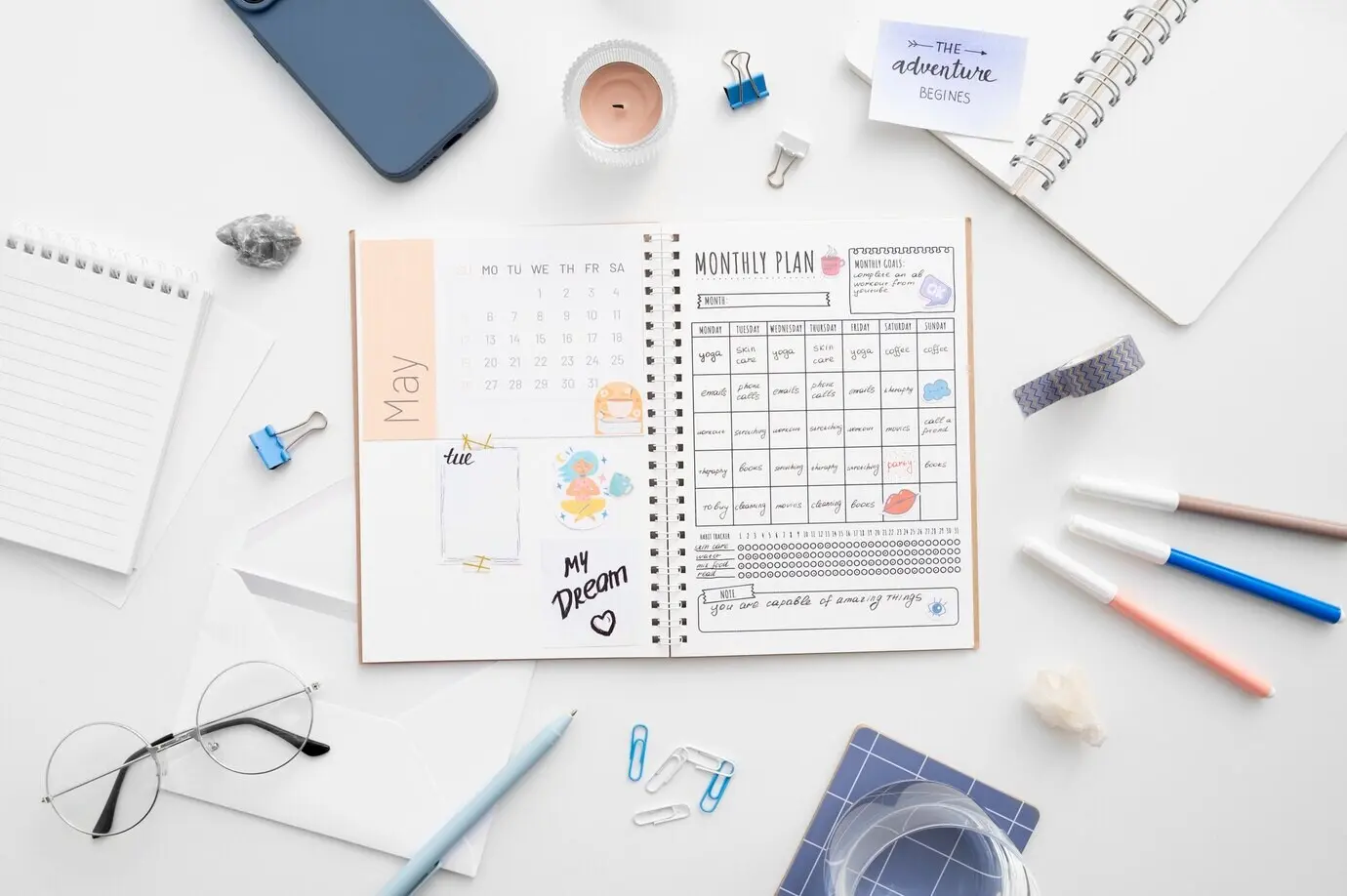





Own Your Semester on One Page

Today we dive into one-page semester planning for students, turning sprawling syllabi, deadlines, and commitments into a single clear snapshot. Expect practical layouts, prioritization tactics, and effortless review rituals. Bookmark this guide, share your wins, and subscribe for weekly nudges that keep momentum steady and stress manageable.

Start Strong with a Single Sheet

Distill your entire term onto one page to see workload, pacing, and priorities without opening five apps. This focused view reduces decision fatigue, highlights true constraints, and frees attention for deep work. Last semester, a transfer student reported calmer mornings and fewer emergency scrambles after adopting this approach. Use it as your daily compass and weekly reality check, not a rigid contract.

Define Success Early

Write a one-sentence outcome for each course, then translate it into measurable checkpoints that fit your single page. When your intention is explicit, small scheduling decisions become easier. Success looks like consistent progress, fewer surprises, and plenty of space for recovery and curiosity.

Choose a Focal Metric

Pick one metric to watch - completed readings, problem sets, or study hours - then place it visibly on the page. Anchor weekly planning around that signal. When the number drifts, adjust scope, rebalance commitments, or ask for help before stress compounds quietly.

Set Guardrails, Not Chains

Decide in advance what you will not do: endless highlighting, late-night cramming, or multitasking during lectures. Add two positive guardrails, like a hard stop time and a single-capture inbox. Your one page protects energy by preventing self-sabotage before it starts.

Collect Everything That Matters

Syllabi, Simplified

Extract only decisive details: deliverable names, due windows, weightings, and key grading thresholds. Skip prose and motivational fluff. Put what influences action onto the page, and archive the rest. This discipline turns sprawling documents into dependable signals that actually shape weekly choices.

Life Commitments, Counted

Honor non-academic responsibilities first so academic work fills the real container. Add commute times, caregiving, wellness appointments, faith gatherings, and rest. When life is visible, you plan generously, negotiate early, and avoid accidental overcommitment that sabotages both performance and peace.

Energy and Attention Map

Note when your focus peaks and dips across the week, then place demanding tasks accordingly. Match creative assignments to high-energy blocks and administrative chores to valleys. Your one-page view becomes kinder, smarter scheduling that respects human rhythms, not imagined productivity myths.

Calendar Grid at a Glance

Use a monthly grid to place exams, big deliverables, and recovery days. Reserve the margins for notes and contingency plans. The grid provides context for pacing, helping you avoid stacking heavy weeks and encouraging proactive redistribution before crunch time hits.

Linear Timeline Flow

Draw a horizontal line from orientation to finals, then anchor milestones by week. Add vertical ticks for drafts, feedback windows, and practice exams. The single path reveals bottlenecks and motivates steady progress, because every step moves visibly closer to done.

Kanban Columns for Momentum

Create three columns – Backlog, Doing, Done – then divide rows by courses. Limit work-in-progress to protect focus. Moving cards forward gives instant gratification while exposing stalled items. This layout turns the page into a living pipeline where throughput matters more than perfection.

Weekly Anchors You Can Trust

Choose two or three non-negotiable blocks for each course, then guard them like appointments with future you. Even when life gets noisy, anchors hold the rhythm. Miss one? Reschedule immediately, and note the reason to improve system resilience.

Smart Blocks Beat Wishful Lists

Replace vague to-dos with time-bound plans: read two chapters in seventy-five minutes, draft outline in forty, review problems in sixty. Concrete containers force tradeoffs and surface unrealistic expectations early, allowing renegotiation before stress, guilt, and procrastination snowball together.

Buffers Prevent Burnout

Place intentional slack near midterms and project peaks. Use it for spillover, rest, or review. Without buffers, glitches cascade; with them, hiccups stay small. Your one-page plan should breathe like lungs, expanding and contracting with unfolding academic reality.

Priorities, Time Blocks, and Buffers

Transform intentions into calendar reality by assigning effort to specific windows, protected from distraction and drift. Pair demanding tasks with prime energy, and schedule buffers around heavy weeks. The goal is sustainable pace, not heroic sprints followed by exhausting recoveries.

Tracking Progress Without Clutter

Measure what matters using minimalist marks: checkboxes, dots, and arrows. Pair each week with a tiny reflection to extract lessons. The page remains calm while still broadcasting status, so you can celebrate movement and intervene early when patterns turn risky.

Signal, Not Noise

Adopt a simple legend - colors for urgency, shapes for type, symbols for status - and keep it consistent all term. If you must think to decode it, simplify. The quickest glance should answer what's due, what's blocked, and what deserves attention.

Micro-Reflections That Stick

Write one sentence each week: what worked, what didn't, and one adjustment. Over time, these notes form a personal playbook. The next semester begins stronger because your future plan grows from lived data, not optimistic recollection.

Visual Cues That Motivate

Place small progress bars for major projects and shade them incrementally. Momentum becomes visible, making it harder to abandon effort. Pair visuals with meaningful rewards, like a walk with a friend or an earlier bedtime, to reinforce sustainable habits.

Friday Five-Minute Reset

Close the week by scanning the page, rolling forward any unfinished tasks, and penciling the next anchors. Five mindful minutes prevent chaos from snowballing. Pair the ritual with music or tea so it becomes pleasant, repeatable, and genuinely anticipated.

Adapting to Curveballs

When emergencies, illnesses, or surprise assignments appear, use the one-page view to rebalance quickly. Identify movable tasks, renegotiate deadlines, and shrink scope responsibly. By acting early, you protect learning quality and wellbeing while maintaining relationships with teammates and instructors.

Iterate with Evidence

At midterm, audit what worked and what didn’t. Compare planned blocks with actual effort, then refine layout, anchors, and buffers. Share your insights in the comments and subscribe for new templates, so your next iteration starts sharper and kinder.
Tuverirupufozerefoxupa
Privacy Overview

This website uses cookies so that we can provide you with the best user experience possible. Cookie information is stored in your browser and performs functions such as recognising you when you return to our website and helping our team to understand which sections of the website you find most interesting and useful.