One Page, Total Clarity

The Case for a Single, Glanceable Plan
Clarity That Reduces Overwhelm
Students often juggle work, caregiving, and multiple courses. A one-page plan provides a calm anchor that cuts through noise, naming the essentials in one view. When learners can anticipate demands, plan ahead, and visualize a path, anxiety drops and commitment rises. Clarity frees attention for challenging ideas, not calendar puzzles, and strengthens equitable access for students with limited time to decode lengthy documents.
Trust Built Through Transparency
Transparent logistics signal respect. Showing deadlines, milestones, assessment weights, and weekly focus upfront communicates fairness and reliability. Students feel included as partners instead of passive recipients of surprises. Instructors, in turn, gain credibility when plans match execution. When something changes, annotated updates on the same page preserve trust, demonstrating that adjustments are thoughtful, documented, and clearly communicated to everyone simultaneously.
Time Saved Without Cutting Substance
Condensing logistics onto one page liberates time for richer feedback, mentorship, and dialogue. Instead of repetitive clarifications, instructors can point to a shared reference, preserving energy for pedagogy. This does not dilute rigor; it removes clutter that hides rigor. By eliminating scattered instructions across slides, emails, and LMS folders, the plan becomes a reliable lighthouse throughout the term.

What Absolutely Must Fit on the Page
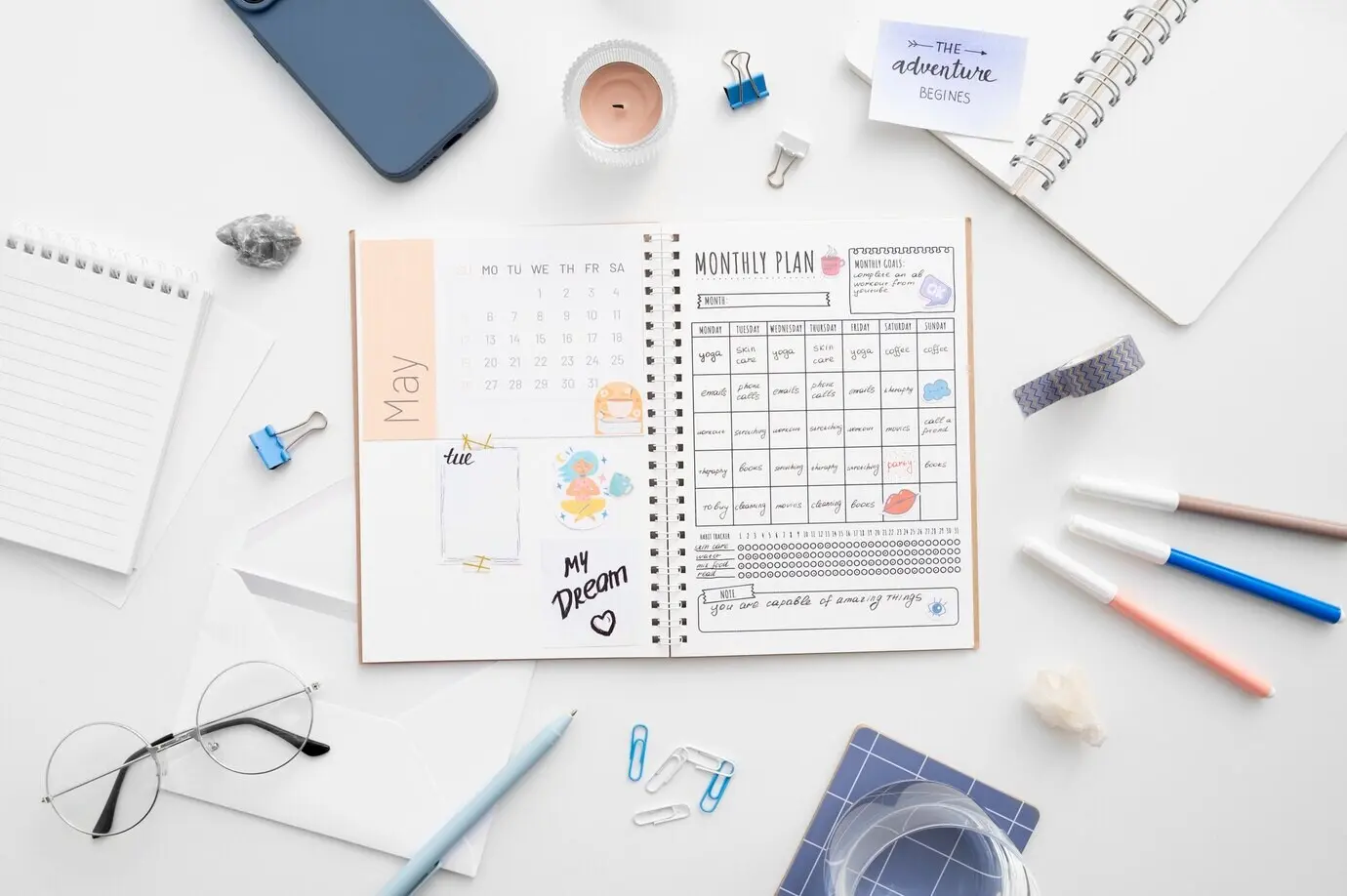
Visual Hierarchy That Guides Eyes Instantly

Accessibility and Readability for Everyone


Deadlines That Make Sense
From Plan to Practice on Day One
First-Five-Minutes Orientation
Start class by asking students to circle three dates that matter most to them and star one week they anticipate will be demanding. Briefly model how to work backward from those points. This tiny investment teaches planning as a learning skill, reduces uncertainty, and establishes a norm: consult the page before emailing. Students leave with immediate agency and a concrete next step for organizing their calendars.
Interactive Use Throughout the Term
Revisit the page weekly with a one-minute check: where are we, what’s next, and how does feedback connect? Encourage students to annotate their copy with personal checkpoints, group responsibilities, and revision notes. Make it visible during transitions, not just the first week. When learners see the map in action, they internalize pacing, anticipate workload, and rely less on emergency reminders that fragment attention.
Sharing Across Platforms Without Losing Fidelity
Export a high-contrast PDF for print and mobile, post an accessible HTML version in the LMS, and pin a screenshot in course announcements. Use consistent filenames with dates for easy retrieval. If you embed in slides, link back to the master copy. This multi-channel approach keeps information current, reachable, and visually consistent, preventing outdated versions from circulating and undermining clarity.
Stories from Real Classrooms

An Adjunct’s Night Class Turnaround

STEM Lab Meets Liberal Arts Seminar
Maintain, Measure, and Iterate
All Rights Reserved.