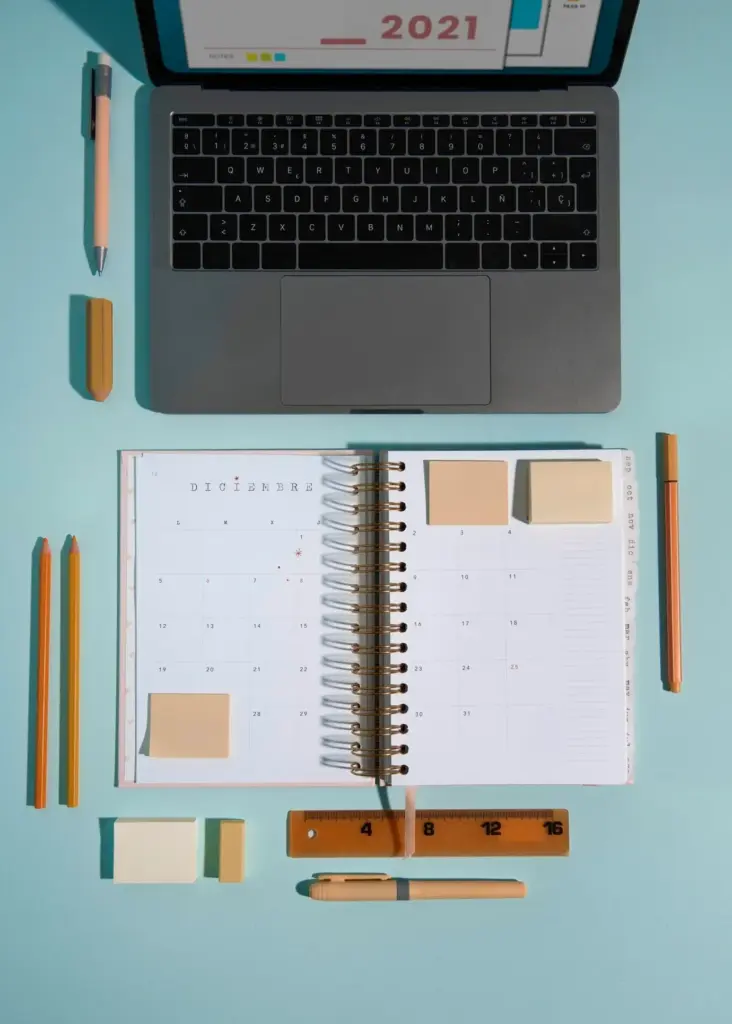
One Page to Calm the Countdown

We’re diving into Exam Countdown on One Page: Timeline and Revision Blocks, turning scattered plans into a single, clear glance that guides every day. Expect practical structure, motivating visuals, and research-backed habits that reduce anxiety. Use this page to prioritize, pace, and protect your energy, then adapt as you learn. Share your tweaks, subscribe for fresh layouts, and let this focused canvas carry you to confident results.

Map the Days, Shrink the Stress

Design Revision Blocks That Actually Stick

Set twenty-five minutes for a single, specific objective—practice five exam questions, summarize two pages from memory, or teach one concept aloud. Follow with five minutes of real rest away from screens. After four cycles, take a longer break. Purposeful sprints increase focus, make progress measurable, and keep cognitive fatigue manageable without sacrificing momentum or depth.
Alternate related topics rather than drilling one endlessly: algebra then physics, essay planning then historical evidence. Switching forces flexible thinking and reduces illusions of competence created by repetition. Your one-page layout helps balance coverage across days, ensuring variety without chaos. The gentle friction of switching improves recall during unpredictable exam prompts and complex questions.
Begin each block by recalling key points from memory—write, speak, or sketch without notes. Only then review sources to fill gaps and correct errors. This order signals your brain to store information for use, not just recognition. Over time, retrieval grows faster, confidence feels earned, and exam conditions feel familiar rather than frightening.

Spacing and the single-page view

Mark return dates for each concept as checkboxes across the page. Seeing future touches prevents accidental cramming and supports long-term memory. Spaced revisits feel lighter because each pass requires less effort. The minimalist view lowers resistance, proving that big outcomes come from small, repeated touches rather than heroic, exhausting sessions that rarely last.

Desirable difficulties without burnout

Introduce challenges gradually—untimed retrieval before timed drills, open-book to closed-book, familiar questions to novel combinations. Difficulty should stretch, not snap. Your layout stages challenges across weeks, so each step feels achievable. This pacing protects motivation, preserves sleep, and keeps mistakes informative rather than defeating, turning discomfort into a signal of growth rather than danger.

From Paper to Pixels

Choose the format that supports your habits. Paper excels at focus and spatial memory; digital tools excel at reminders and syncing across devices. Both can be minimal and powerful. What matters is friction: the fewer taps, tabs, and temptations, the better. Build a system you’ll actually use daily, especially on tired days, not just inspired ones.

Routine, Energy, and Recovery

Micro-rests, macro results

Between blocks, step away for real recovery—stretch, breathe, look outside, hydrate. Avoid micro-scrolling that hijacks attention. Even ninety seconds creates cognitive relief that compounds across the day. Your page should show tiny rest icons, legitimizing pauses as performance tools rather than indulgences, so you return sharper and kinder to your future self.

Sleep as a study session

Plan your final evening block to end at least an hour before bedtime. Gentle review followed by sleep consolidates learning powerfully. Protect a consistent wake time even on weekends. Mark wind-down routines on the page to make them visible commitments. Rest becomes part of training, reliably upgrading memory without requiring extra waking effort.

Energy tracking on the sheet

Add a tiny daily energy score and a short note—what helped, what hurt. Over a week, trends reveal ideal study windows and risky times. Move demanding blocks to peak hours, save lighter tasks for dips. Tailoring the schedule to your real rhythms multiplies productivity without adding time, only smarter alignment and kinder expectations.

Track, Reflect, and Adapt

Consistency emerges when feedback loops are easy. Build daily checkmarks, quick reflections, and weekly audits into the page. Small wins stay visible, missed blocks inform adjustments, and priorities evolve with evidence. The goal is progress, not perfection. Adaptation keeps momentum alive when reality shifts, transforming setbacks into new starting lines rather than dead ends.

Daily pulse check

At day’s end, tick completed blocks, star the most effective activity, and write one sentence about tomorrow’s first action. This tiny ritual closes mental tabs and primes momentum. Your future self meets clarity instead of clutter, reducing morning resistance and making adherence feel automatic, even when motivation is thin or distractions are loud.

Weekly retrospectives that heal

Once a week, review what moved the needle and what consistently slipped. Celebrate adherence more than outcomes, then adjust the next layout accordingly. Honest reflection without self-blame builds resilience. Your plan becomes a living system that listens, learns, and forgives, improving precision while protecting confidence and the courage to continue showing up.

When life happens, re-route

Rewrite the week without guilt when obstacles appear. Convert missed blocks into smaller, immediate actions. Swap heavy topics for lighter reviews to rebuild traction. The single-page view makes replanning quick and compassionate, reminding you that success is directional. Practical flexibility preserves identity as a committed learner even during messy, unpredictable seasons.

Stories from the Edge of the Desk
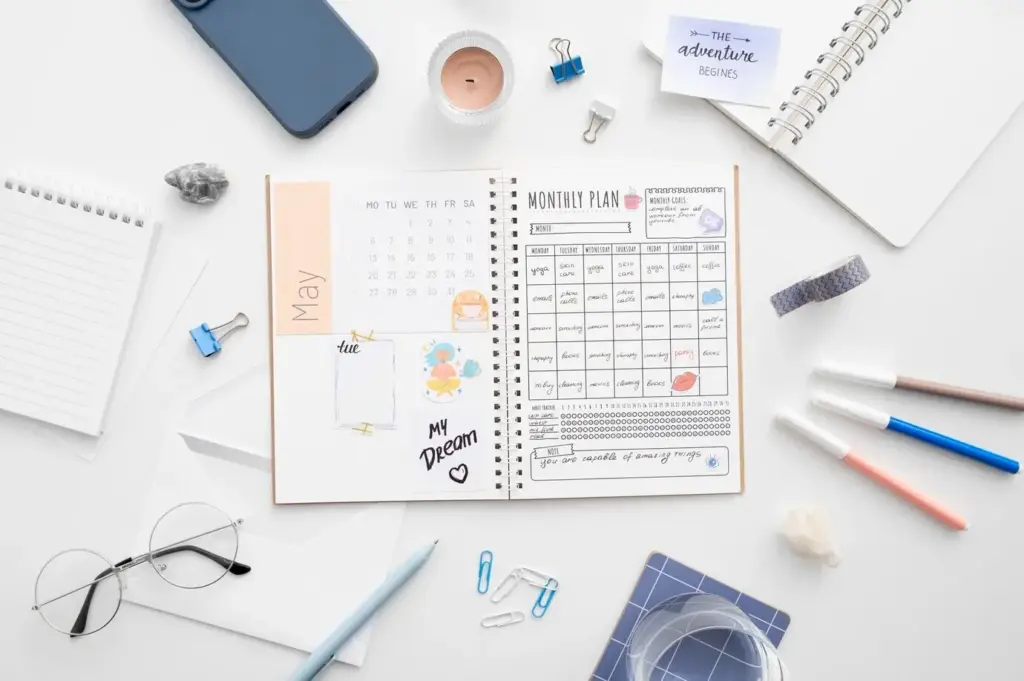
Real experiences remind us that simple tools, used faithfully, change outcomes. Students compress sprawling plans onto one page and finally breathe. Parents use the same layout with teens to create calm conversations. Tutors adapt the structure for diverse learners. These snapshots invite you to borrow courage, try variations, and share back what truly worked.

Maya’s ninety-day sprint

Maya mapped ninety days on a single sheet with weekly mock essays and spaced flashcard reviews. She taped it beside her lamp, marking stars for tough wins. When illness struck, buffers absorbed the blow. She finished strong, not because days were perfect, but because the page kept her honest, flexible, and kind.

Owen’s interleaving breakthrough

Owen alternated calculus problem types with physics conceptual questions, color-coding each pass. Early confusion felt uncomfortable, then clarity surged during mixed practice exams. His one-page schedule displayed variety without chaos, turning switching into strength. By exam week, novelty wasn’t scary; it felt familiar, trained, and surprisingly energizing under pressure.

Your turn: share your layout

Create your one-page countdown, then tell us what you changed—colors, symbols, block lengths, or digital tweaks. Post a photo or template link and describe one surprising lesson. We’ll feature creative layouts, send refined templates, and build a supportive library together. Subscribe, comment generously, and invite a friend who needs calmer structure.
Tuverirupufozerefoxupa
Privacy Overview

This website uses cookies so that we can provide you with the best user experience possible. Cookie information is stored in your browser and performs functions such as recognising you when you return to our website and helping our team to understand which sections of the website you find most interesting and useful.