One Page, Total Clarity

Today we explore Course-at-a-Glance Planner: A One-Page Syllabus and Deadline Map, a practical approach that distills your entire course into a single, instantly readable snapshot. This concise plan streamlines expectations, clarifies milestones, and supports learners who thrive with structure. Expect concrete design tips, research-backed reasoning, and adaptable examples you can copy, remix, and print before class starts. By the end, you will have a confidently organized page that helps students navigate workload, prioritize tasks, and stay engaged without constant reminders or confusion.

The Case for a Single, Glanceable Plan

A single-page snapshot counters overwhelm by reducing extraneous cognitive load and surfacing the most important signals first. Students see where they are, what comes next, and why it matters, while instructors reclaim hours otherwise spent answering the same logistical questions. This compact reference creates a shared map everyone can follow, minimizing ambiguity and maximizing focus on meaningful learning. When expectations and dates are plain, fewer surprises derail momentum, reflection deepens, and motivation grows through visible progress.

Clarity That Reduces Overwhelm

Students often juggle work, caregiving, and multiple courses. A one-page plan provides a calm anchor that cuts through noise, naming the essentials in one view. When learners can anticipate demands, plan ahead, and visualize a path, anxiety drops and commitment rises. Clarity frees attention for challenging ideas, not calendar puzzles, and strengthens equitable access for students with limited time to decode lengthy documents.

Trust Built Through Transparency

Transparent logistics signal respect. Showing deadlines, milestones, assessment weights, and weekly focus upfront communicates fairness and reliability. Students feel included as partners instead of passive recipients of surprises. Instructors, in turn, gain credibility when plans match execution. When something changes, annotated updates on the same page preserve trust, demonstrating that adjustments are thoughtful, documented, and clearly communicated to everyone simultaneously.

Time Saved Without Cutting Substance

Condensing logistics onto one page liberates time for richer feedback, mentorship, and dialogue. Instead of repetitive clarifications, instructors can point to a shared reference, preserving energy for pedagogy. This does not dilute rigor; it removes clutter that hides rigor. By eliminating scattered instructions across slides, emails, and LMS folders, the plan becomes a reliable lighthouse throughout the term.

What Absolutely Must Fit on the Page
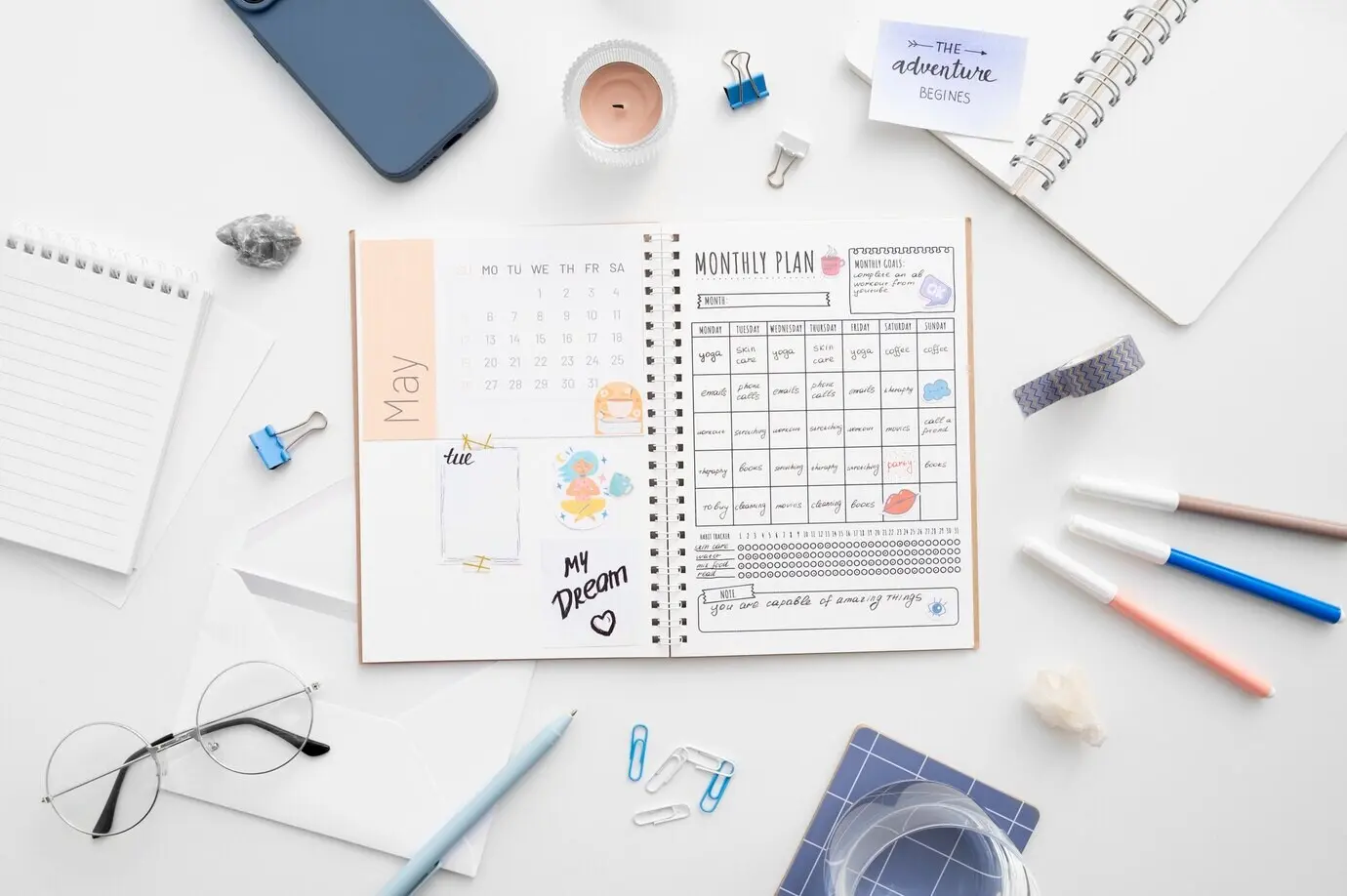
Include course goals distilled into brief, meaningful statements, major assignments with weights, weekly or module-level focus, key deadlines, required materials, and essential policies that affect everyday work. Optional extras belong in the full syllabus. Keep the one-pager sacred by privileging relevance and actionability. If a detail will change often, reference where updates appear, ensuring the page remains dependable while pointing to deeper documentation when needed.

Visual Hierarchy That Guides Eyes Instantly

Establish a clear typographic rhythm: bold for section headers, medium for dates, regular for descriptive lines. Use consistent spacing to create groupings and avoid dense blocks. Keep color contrast high and limited to accent purposes, like highlighting milestone weeks. Align elements to an invisible grid so scanning becomes effortless. Readers should find what they need in seconds, without wandering or second-guessing the meaning of styles.

Accessibility and Readability for Everyone

Design for diverse readers by choosing readable fonts at comfortable sizes, ensuring strong color contrast, and avoiding red-green combinations. Use plain language, limit abbreviations, and add a digital version optimized for screen readers. Include meaningful headings, descriptive links, and alt text for graphics. Aim for a document that prints cleanly in black and white, and remains clear when viewed on small screens, supporting equitable access across devices.

Deadlines That Make Sense

Dates should tell a story, not just list events. Start by sequencing milestones backward from learning outcomes, then space effort to balance cognitive demand. Cluster related tasks where feedback informs the next step, and avoid stacking heavy deadlines against institutional peaks. Preview challenging weeks early so learners can prepare. Consistent rhythms—like weekly check-ins and biweekly projects—help students plan life alongside learning, especially when work schedules are inflexible.

From Plan to Practice on Day One

Launch by placing the page into students’ hands and building a quick orientation around it. Showcase the big picture, highlight the first milestone, and model how to use the map to plan a week. Invite questions immediately, noting clarifications directly on the document if needed. This opening ritual creates a shared reference and a culture of proactive planning, positioning the page as a living companion rather than a forgotten handout.

First-Five-Minutes Orientation

Start class by asking students to circle three dates that matter most to them and star one week they anticipate will be demanding. Briefly model how to work backward from those points. This tiny investment teaches planning as a learning skill, reduces uncertainty, and establishes a norm: consult the page before emailing. Students leave with immediate agency and a concrete next step for organizing their calendars.

Interactive Use Throughout the Term

Revisit the page weekly with a one-minute check: where are we, what’s next, and how does feedback connect? Encourage students to annotate their copy with personal checkpoints, group responsibilities, and revision notes. Make it visible during transitions, not just the first week. When learners see the map in action, they internalize pacing, anticipate workload, and rely less on emergency reminders that fragment attention.

Sharing Across Platforms Without Losing Fidelity

Export a high-contrast PDF for print and mobile, post an accessible HTML version in the LMS, and pin a screenshot in course announcements. Use consistent filenames with dates for easy retrieval. If you embed in slides, link back to the master copy. This multi-channel approach keeps information current, reachable, and visually consistent, preventing outdated versions from circulating and undermining clarity.

Stories from Real Classrooms

Examples illuminate details that instructions cannot. In varied contexts—night courses, accelerated semesters, labs, studios, and seminars—the single-page map reduces friction, boosts attendance in key weeks, and trims late submissions. Learners report feeling respected because deadlines feel coordinated rather than arbitrary. Instructors report fewer clarification emails and more substantive questions. These stories invite you to adapt ideas boldly, then share your own outcomes to strengthen our collective practice.

An Adjunct’s Night Class Turnaround

Facing inconsistent attendance and a flood of late work, an adjunct consolidated dates, weights, and module goals onto one page. Within two weeks, students arrived prepared for the right tasks, email volume dropped by half, and office hours shifted from logistics to feedback. The page did not solve everything, but it created reliable momentum that rescued a hectic schedule and restored energy.

STEM Lab Meets Liberal Arts Seminar

A physics lab used icons for prep, experiment, and analysis, while a literature seminar highlighted reading load and discussion deliverables. Both pages emphasized feedback cycles and revision windows. Students reported clearer expectations and better pacing. Instructors noticed stronger lab notebooks and more grounded essays, suggesting that structured visibility of effort, not the discipline, was the key lever for quality and confidence.

Maintain, Measure, and Iterate

Treat the page as a living artifact that learns each term. Build a light feedback loop, capture small friction points, and revise proactively rather than reactively. Track a few signals—on-time submissions, early questions, and pacing confidence—to see whether clarity is improving. Keep versions organized so collaborators can reuse successful structures. By nurturing incremental gains, you cultivate a planning culture that compounds into calmer teaching and stronger learning.
Tuverirupufozerefoxupa
Privacy Overview

This website uses cookies so that we can provide you with the best user experience possible. Cookie information is stored in your browser and performs functions such as recognising you when you return to our website and helping our team to understand which sections of the website you find most interesting and useful.